How to Craft a Captivating Blog Post Introduction: A Step-by-Step Guide
Writing a captivating introduction for your blog post is crucial to grabbing the attention of your readers and making them want to read more. In this tutorial, you will learn how to start a blog post introduction in a personal tone, making your content more relatable and engaging. You will discover the secrets to crafting an introduction that sets the tone for the rest of your blog post and keeps your readers hooked. By the end of this guide, you will be able to write a captivating introduction that draws your readers in and makes them want to read more.
Step 1: Define Your Purpose and Identify Your Audience
Before you start writing your introduction, it's essential to define the purpose of your blog post and identify your target audience. What is the main topic of your blog post? What do you want to achieve with your content? Who are your readers, and what are their pain points? Answering these questions will help you create an introduction that resonates with your audience and addresses their needs. For example, if you're writing a blog post about "how to write a captivating introduction," your purpose might be to educate your readers on the importance of a well-crafted introduction, and your target audience might be bloggers, content creators, or marketers.
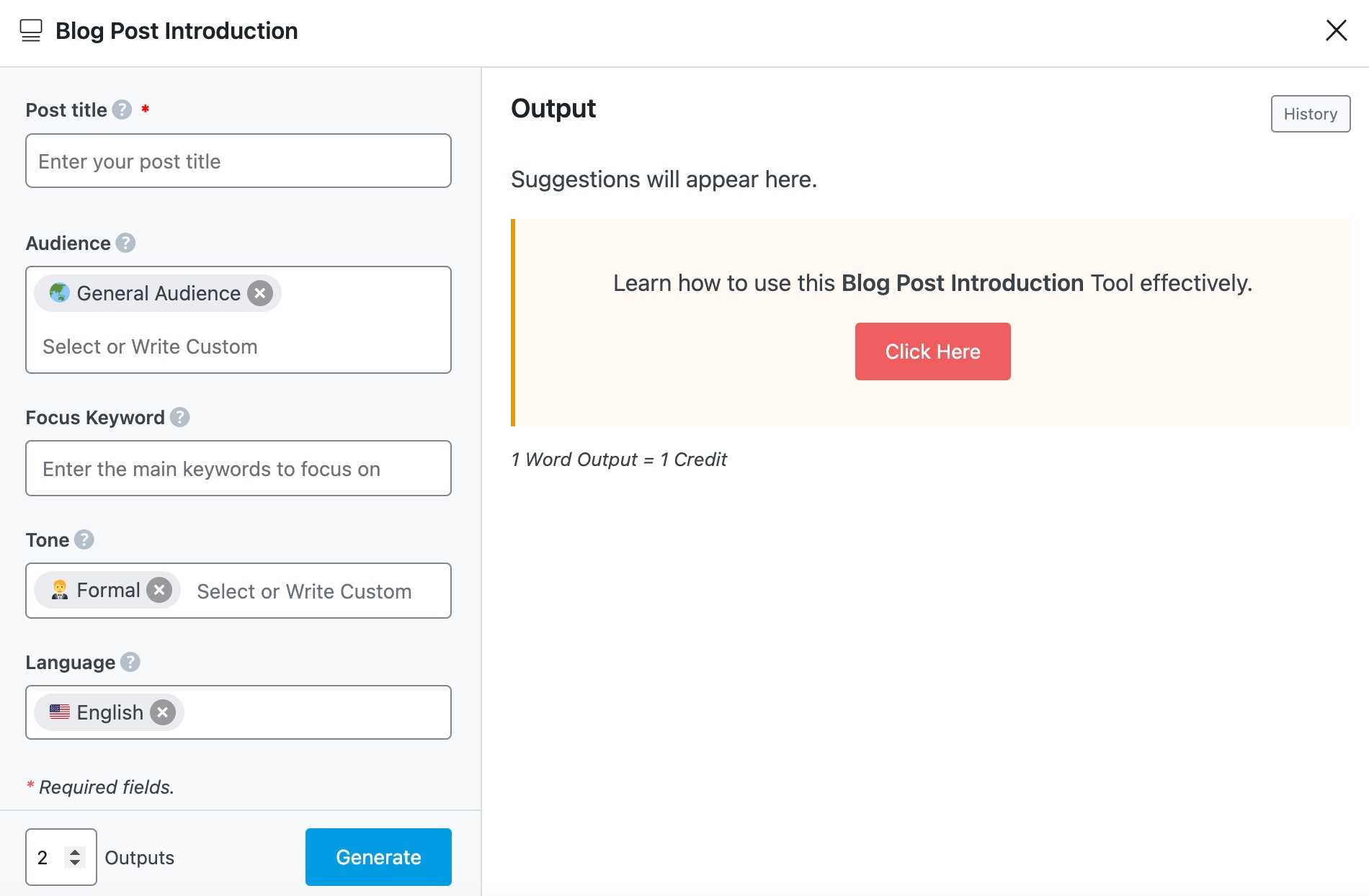
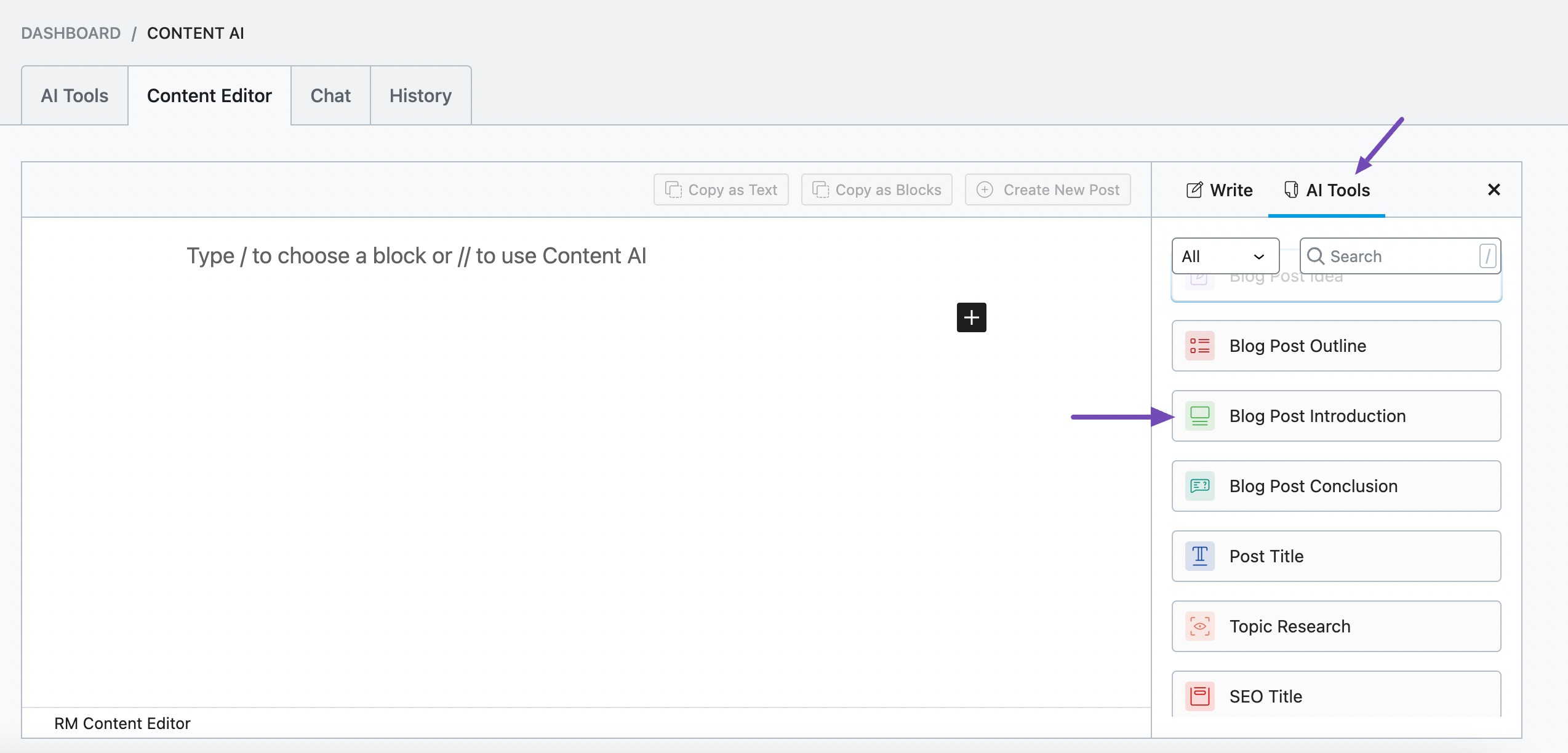
Step 2: Start with a Hook to Grab the Reader's Attention
A hook is a sentence or phrase that grabs the reader's attention and makes them want to read more. It can be a surprising statistic, a thought-provoking question, or a personal anecdote. When writing a hook, make sure it's relevant to your topic and audience. For instance, if you're writing a blog post about "how to write a captivating introduction," your hook could be, "Did you know that the average reader spends only 2 seconds deciding whether to read a blog post or not?" This hook is attention-grabbing, informative, and relevant to the topic. You can also use a photo to make your hook more engaging, such as 
Step 3: Provide Context and Background Information
After you've grabbed the reader's attention with your hook, it's time to provide some context and background information. This will help your readers understand the topic and its relevance to their lives. When providing context, make sure to keep it concise and focused on the main topic. Avoid using jargon or technical terms that might confuse your readers. For example, if you're writing a blog post about "how to write a captivating introduction," you could provide some context by explaining the importance of a well-crafted introduction in blogging and content creation.
Step 4: Clearly State the Purpose and Scope of Your Blog Post
Once you've provided some context, it's essential to clearly state the purpose and scope of your blog post. This will help your readers understand what to expect from your content and what they will learn by the end of it. When stating the purpose and scope, make sure to be specific and concise. Avoid using vague language or making promises you can't keep. For instance, if you're writing a blog post about "how to write a captivating introduction," you could state the purpose and scope by saying, "In this blog post, we will explore the secrets to crafting a captivating introduction that grabs the reader's attention and sets the tone for the rest of your content."
Step 5: Use a Conversational Tone and Personal Language
Finally, it's essential to use a conversational tone and personal language when writing your introduction. This will help you connect with your readers and make your content more relatable and engaging. When using a conversational tone, make sure to avoid jargon, technical terms, and overly formal language. Instead, use everyday language and a friendly tone that makes your readers feel like they're having a conversation with you. For example, if you're writing a blog post about "how to write a captivating introduction," you could use a conversational tone by saying, "So, you want to learn how to write a captivating introduction that grabs the reader's attention? Well, you're in the right place! In this blog post, we'll explore the secrets to crafting an introduction that sets the tone for the rest of your content and keeps your readers hooked."
Frequently Asked Questions
Q: How long should my introduction be? A: The length of your introduction will depend on the type of blog post you're writing and the audience you're targeting. However, a good rule of thumb is to keep your introduction concise and focused, ideally around 100-150 words.
Q: What's the most important thing to include in my introduction? A: The most important thing to include in your introduction is a hook that grabs the reader's attention and makes them want to read more. This can be a surprising statistic, a thought-provoking question, or a personal anecdote.
Q: Can I use a quote or a story in my introduction? A: Yes, you can use a quote or a story in your introduction to make it more engaging and relatable. Just make sure the quote or story is relevant to your topic and audience, and that it doesn't distract from the main purpose of your introduction.
How To Write A Captivating Introduction For Your Blog Post
How to Write a Captivating Introduction for Your Blog Post
How To Hook Readers With Your Introduction To Blog Post (5 Tips)

How to Hook Readers with your Introduction to Blog Post (5 Tips)
Nailing Blog Post Introduction: Make It Count

Nailing Blog Post Introduction: Make it Count